What The Tax Line On An Essex County Listing Doesn't Tell You
September 17, 2026
September 17, 2026
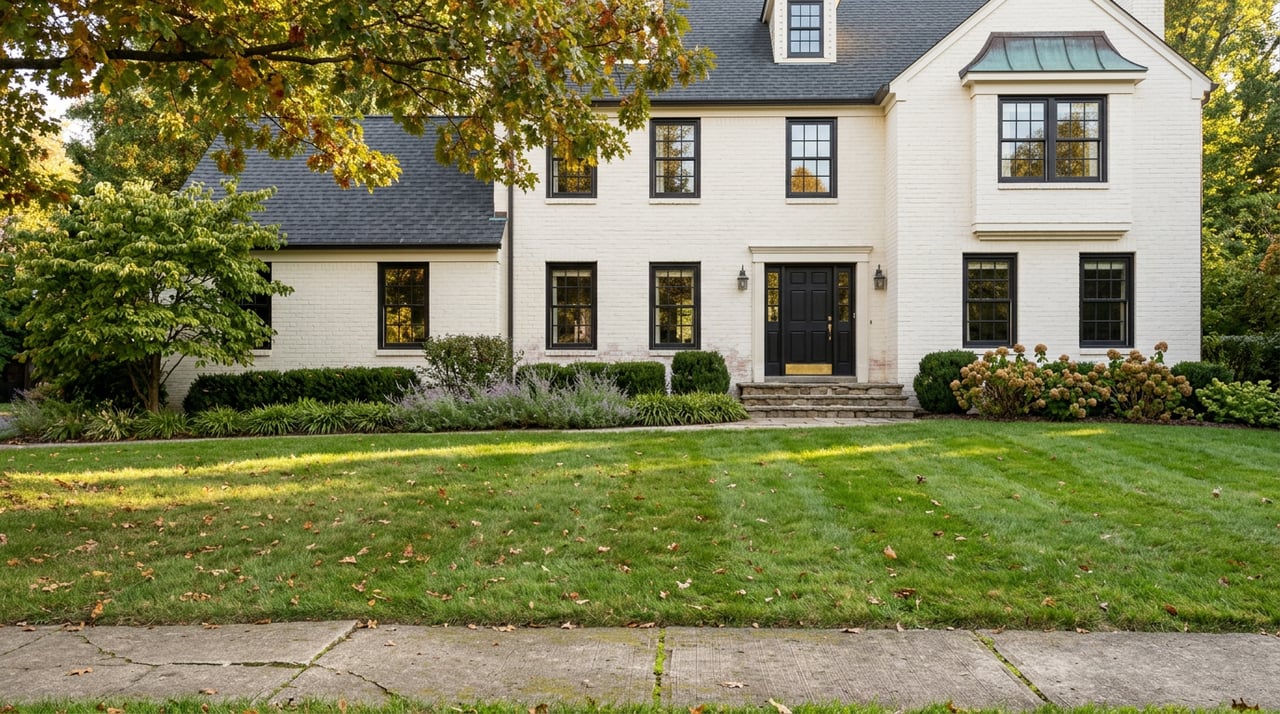
Picture two nearly identical colonials, both listed around the same price this month, one in Verona and one in Montclair. The listing sheets look the same. Square footage, lot size, even the current tax bill sit within a few hundred dollars of each other. What the sheets don't show is that these two houses are sitting on opposite ends of a property tax calendar that is currently more active in Essex County than in any other county in New Jersey, and that calendar, not the current bill, is what actually determines what each house will cost to own over the next few years.
Verona completed its revaluation earlier this year. Montclair's won't be implemented until 2028, even though its own assessments already sit further from market value than Verona's ever did. Buy the Verona house and you inherit a tax basis that was reset to current market value back in the winter. Buy the Montclair house and you inherit a bill that is quietly waiting for its own correction, one that could land well after you've already made an offer based on the old number.
A revaluation happens when a town's assessed values have drifted too far from actual market value, and the county tax board orders an outside company to walk every property and reset the numbers. It is disruptive, expensive, and until recently, something most Essex towns went through once every decade or two, if that. Right now the Essex County Board of Taxation has multiple municipalities moving through this process on staggered timelines that stretch out to 2028, according to the board's own published schedule. That is not how this county has operated in recent memory, and it changes how a buyer or seller should read a tax line on any given listing this year.
Here is where things stand as of this fall.
| Status | Towns |
|---|---|
| Just completed for 2026 | Cedar Grove, Glen Ridge, Verona |
| Completed in recent prior years | West Orange (2025), South Orange (2024) |
| Currently compliant, no reval pending | Maplewood, Roseland, Orange, East Orange, Nutley |
| Ordered, targeting 2027 | Caldwell, Fairfield, Newark, West Caldwell |
| Ordered, targeting 2028 | Belleville, Bloomfield, Montclair |
| Ordered, targeting 2029 | Essex Fells, Millburn, North Caldwell |
That last row is worth sitting with. Millburn and Montclair, two of the county's most closely watched markets for move-up buyers, are both sitting with assessments that haven't been reset in years while their neighbors work through the process ahead of them.
If you're buying in one of these three towns, the reset already happened earlier this year. The Essex County Board of Taxation set a formal tax appeal deadline of Friday, May 1, 2026 for these revalued and reassessed districts, one month later than the standard April 1 deadline everywhere else in the county. That window has already closed for the 2026 tax year, so anyone closing now is stepping into the assessment as it currently stands, with the next appeal opportunity falling on the standard April 1, 2027 deadline unless the county orders something else.
For a buyer, the practical move is still to ask for the seller's PPA letter, the notice that shows the added or omitted assessment change, during due diligence rather than after closing. The number on that letter, not the number on an older tax bill, is your actual basis going forward. If you're closing in Verona, Glen Ridge, or Cedar Grove now, you're inheriting the freshly reset assessment as a settled fact, not an open question, which makes it easier to budget than in a town still waiting on its correction.
The towns waiting in the 2027 through 2029 queue aren't waiting because nothing is wrong with their assessments. They're waiting because the correction hasn't been scheduled yet. New Jersey uses something called an average ratio to measure how far a town's assessed values sit below true market value, and the gap tells you how much room there is for a future jump.
For the 2026 tax year, Montclair's average ratio sits at 56.26 percent, with an upper limit of 64.70 percent before the town falls out of the acceptable range. Newark's average ratio is even further out, at 40.69 percent, against an upper limit of 46.79 percent. In plain terms, a Montclair home currently assessed at $850,000 implies a market value closer to $1.51 million once you back out that ratio. That gap between assessed value and actual value is exactly the kind of drift that triggers a county-ordered reval, and it's why both towns are already on the schedule rather than sitting in the compliant column with Maplewood or Nutley.
None of this means a Montclair or Newark buyer is getting a discount right now. It means the correction is deferred, not avoided, and a buyer closing today should think about the 2028 reval the way you'd think about a rate reset on an adjustable loan. The bill you sign up for at closing is not necessarily the bill you'll be paying three years in.
A few things worth doing before you sign anything, regardless of which Essex town you're buying in.
If your assessed value comes in above $1,000,000, New Jersey law routes that appeal directly to the state Tax Court rather than the county board, which is a different process with different timelines. That's a detail worth knowing before you assume a quick informal review will settle things.
Does a revaluation always raise my tax bill? Not automatically. A reval resets assessed value to match market value, but it also resets the tax rate applied against that value. Whether your individual bill goes up, down, or stays flat depends on how your specific property's value moved relative to the rest of the town, not on the reval itself.
If I'm selling in a town that just completed a reval, does that help or hurt my sale? It mostly removes ambiguity. Buyers can see the actual, current basis rather than trying to guess how much room is left before a correction lands, which tends to make pricing conversations more straightforward on both sides.
Can I appeal an assessment before I've even closed? No. The right to appeal belongs to the property's owner of record as of the assessment date, so a buyer typically inherits the current assessment and the ability to appeal it going forward, rather than being able to file before the closing has happened.
Where can I check my specific town's status directly? The Essex County Board of Taxation publishes its revaluation schedule and appeal deadlines directly, and it's worth checking before you write an offer in any town not listed as currently compliant.
Every one of these towns is a fine place to buy a house. The point isn't to avoid Montclair because its reval hasn't landed yet, or to rush into Verona because its reval just did. The point is that the tax line on a listing sheet in Essex County right now is a snapshot of a moving process, not a fixed cost, and knowing which stage your target town is in changes what you should actually expect to pay a few years from now.
If you're comparing towns across this list and want a read on where a specific address sits on that calendar, Tyler Pontier can walk through it with you before you write an offer. Let's Connect.
Stay up to date on the latest real estate trends.



Tyler is dedicated to helping you find your dream home and assisting with any selling needs you may have. Contact Tyler today for a free consultation for buying, selling, renting, or investing in Morris Plains.
Get In Touch With My Team To Learn More
ADDRESS 67 E Park Pl Morristown, NJ 07960