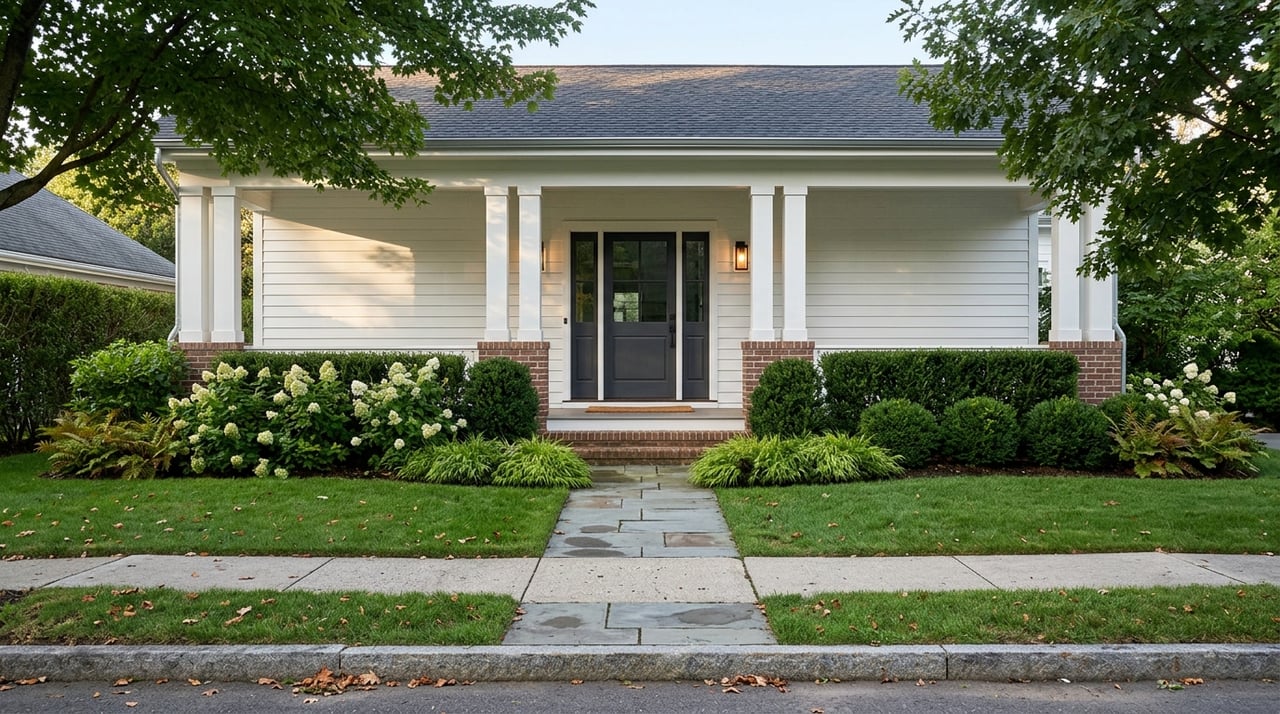
A Guide to South Orange Commuter Living
May 7, 2026
May 7, 2026
If you want a North Jersey home base that keeps New York City and Newark within reach, South Orange deserves a close look. For many buyers and renters, the challenge is finding a place that feels more relaxed than a dense city block without giving up everyday transit convenience. This guide will show you what makes South Orange stand out for commuters, how the village functions day to day, and what to know about housing, parking, and getting around. Let’s dive in.
South Orange is a built-out village in Essex County with a walkable downtown and direct rail access on the Morris & Essex Line. The village is about 2.86 square miles, which helps explain why so much of daily life can feel connected and manageable.
For commuters, the biggest draw is flexibility. You can live near the station and walk, bike, use the jitney, or drive and park, depending on your routine. That mix gives you more than one way to handle a workday, which matters when schedules change.
South Orange has two NJ TRANSIT stations: South Orange Station and Mountain Station. Both are on the Morris & Essex Line, and South Orange Station includes parking, accessibility features, Wi-Fi, and bike racks or lockers. Mountain Station also offers parking, Wi-Fi, and bike facilities.
NJ TRANSIT identifies MidTOWN Direct service as service to and from Penn Station New York. The line also moves through Newark Broad Street and, depending on the train pattern, can continue toward Hoboken. That makes South Orange useful for people heading into Manhattan, Newark, or other parts of North Jersey.
You may see South Orange described as about a 30- to 31-minute commute to Penn Station New York. That is a helpful shorthand, especially for station-area living, but actual travel times vary by train and schedule. A better way to think about it is this: South Orange offers consistently rail-convenient access rather than one guaranteed trip time every day.
A commuter town works best when the trip to the station is easy, not just the ride after it. In South Orange, that is a real advantage. The village and downtown planning materials emphasize a more pedestrian-friendly environment, and the downtown area is a key part of why the community appeals to people who want transit access with a suburban feel.
If you live near the downtown core, your routine may be simple enough to do on foot. If you live a little farther out, biking and the local jitney system can help close the gap. That kind of built-in flexibility can make a big difference in how convenient the village feels over time.
South Orange operates a commuter jitney system through the Parking Authority. The system now includes four routes and seven buses, and the village says the buses wait about five minutes for a late NJ TRANSIT train.
That is an important quality-of-life feature for commuters. It means station access is not limited only to people living on the closest blocks. For households that want to reduce daily driving, the jitney can be a practical part of the routine.
South Orange also works well if your week includes driving. South Orange Avenue, Irvington Avenue, Wyoming Avenue, and Valley Street are county roads, and official redevelopment materials place major station-area projects fewer than three miles from the Garden State Parkway.
That road access helps connect the village to the wider region without making the downtown core feel car-first. For many households, that balance is the sweet spot. You get transit access when you want it and road access when you need it.
Commuter parking is available, but it is something to plan for carefully. South Orange Station includes multiple lots with daily and permit parking. Mountain Station also offers both daily and permit parking in separate lots.
There are additional commuter-oriented options at the Third Street Garage and NJ TRANSIT at SOPAC, including resident-reserved commuter spaces and paid public parking. Some permits have waiting lists or residency rules, so it is smart to treat parking as a resource you confirm early rather than assume will be available.
One reason South Orange appeals to a wide range of commuters is its housing mix. Village-wide, the housing stock is still led by detached single-family homes. According to the housing element, single-family detached homes make up 63.8% of the housing stock, while multifamily structures with 20 units or more account for 18.5%.
That means South Orange is not a one-note housing market. You can see a clear difference between the broader village and the station-area core. The larger pattern is suburban, but the downtown area is more mixed-use and apartment-oriented.
If you focus your search near downtown and the rail hubs, expect denser infill and mixed-use housing. Redevelopment plans in the area show a steady pattern of projects built around walkability and train access.
The Vose & Taylor redevelopment is described as a five-story mixed-use project with 110 housing units, retail space, and public parking less than a quarter-mile from the station. Fourth & Valley is planned as a 106-unit mixed-use development within walking distance of the train. Another approved project at 270 Irvington Avenue includes 60 mixed-use housing units, affordable housing, and commercial space.
These projects help explain why the station area feels different from the broader village. If your top priority is a simpler commute and a more walkable daily routine, the downtown core may be the first place to explore. If you want more space and a more traditional residential setting, you may find that farther from the station.
In many cases, yes, especially if you live near downtown or the stations. Rail service, walkable routes, bike facilities, and the jitney system all support a lower-car lifestyle.
That does not mean every household will want to be car-free. But South Orange gives you a realistic chance to drive less, which is a meaningful advantage in a suburban market. For some buyers and renters, that can improve both convenience and monthly costs.
South Orange can make sense for several kinds of households:
The best fit often comes down to how you want your weekday routine to feel. In South Orange, the main benefit is not just the train ride itself. It is the number of workable ways to get through your day.
South Orange is not just a stop on a rail line. It is a commuter village shaped by transit-oriented growth, a walkable downtown, and a housing mix that serves different lifestyles. Local planning and redevelopment materials show a clear pattern: the station area keeps evolving in ways that support people who want access, convenience, and a more connected daily rhythm.
If you are comparing commuter towns in Essex County, South Orange stands out because it offers options. You can choose a station-area lifestyle, a more traditional residential setting, or something in between. That flexibility is often what makes a town work long after move-in day.
If you are thinking about buying, renting, or investing in a commuter-friendly North Jersey town, South Orange is worth a serious look. And if you want help comparing locations, property types, and daily lifestyle tradeoffs across Essex and Morris County, Tyler Pontier can help you build a plan that fits your goals.
Stay up to date on the latest real estate trends.


Tyler is dedicated to helping you find your dream home and assisting with any selling needs you may have. Contact Tyler today for a free consultation for buying, selling, renting, or investing in Morris Plains.
Get In Touch With My Team To Learn More
ADDRESS 67 E Park Pl Morristown, NJ 07960