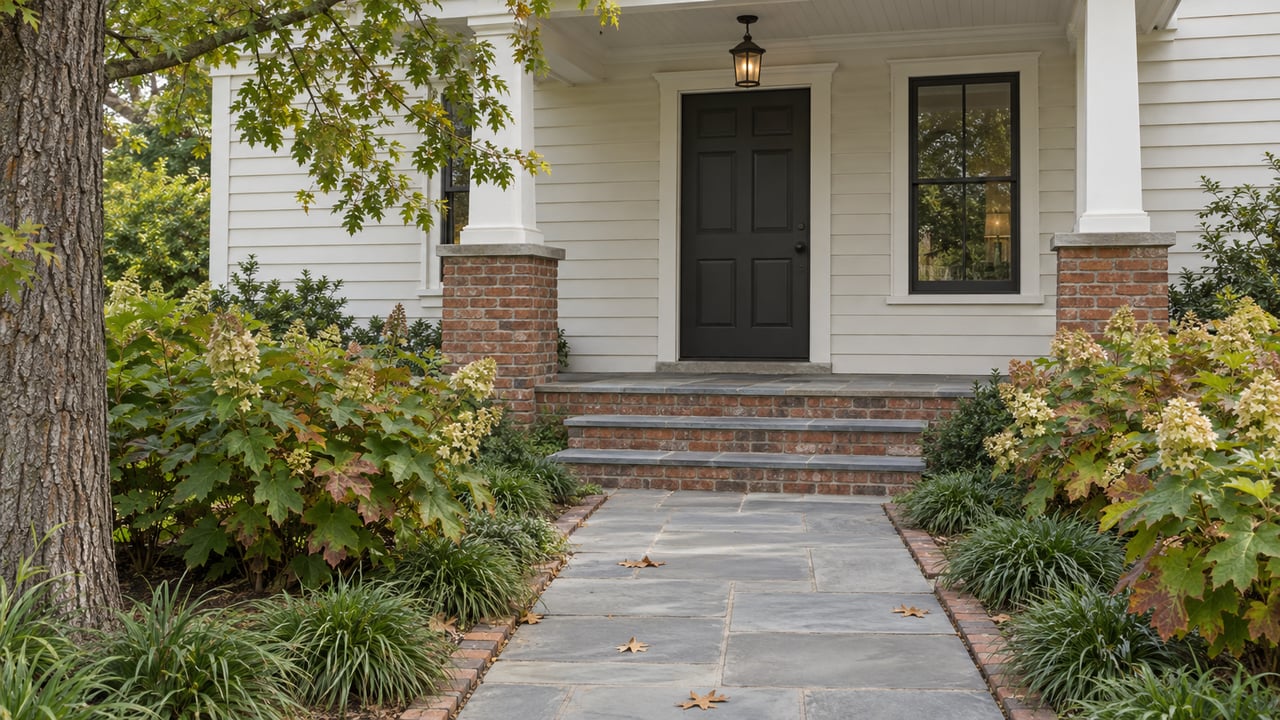
The Certificate South Orange Requires That New Jersey State Law Doesn't
October 1, 2026
October 1, 2026
Somewhere in the middle of attorney review on a South Orange home sale, a line on the closing checklist reads "CCO." Most sellers assume this is the same statewide fire safety certificate every New Jersey one- or two-family home needs before it changes hands: working smoke detectors, a carbon monoxide alarm, a mounted fire extinguisher. It is not. South Orange Village's Sump Pump Inspection Program requires a Certificate of Continued Occupancy inspection before a home sale.
That gap between what sellers expect and what the Village actually asks for is where closings lose time.
New Jersey's Uniform Fire Code sets a single, genuinely statewide rule: before a one or two family home is sold, leased, or otherwise changes occupancy, the owner needs a certificate confirming working smoke detectors, a carbon monoxide alarm, and a properly mounted, charged fire extinguisher near the kitchen. Montclair's Fire Prevention Bureau describes this requirement in almost the same language the state code uses, and Wyckoff's ordinance page repeats it word for word. Every town in New Jersey enforces this piece the same way, because it comes from state law, not municipal discretion.
That consistency is exactly why it's easy to assume the rest of the resale process works the same way everywhere. It doesn't.
New Jersey does not require a resale Certificate of Occupancy or Certificate of Continued Occupancy as a matter of state law. The NJ OPRA Portal's own explainer on the subject puts it plainly: there is no uniform statewide resale requirement, and whether a municipality issues one, and what that certificate actually inspects, depends on local ordinance and property type. Curbelo Law's guide to certificates of occupancy makes the same point: for an existing property changing hands, the resale certificate question is left entirely to the municipality.
South Orange Village has answered that question with its own program. The Village's Building and Code Enforcement Department, run out of Village Hall, performs inspections for and issues certificates of continued occupancy directly, and the Village's own permit and license forms page lists a form titled "Certificate of Continued Occupancy Application (Sales of Property Only)." That title alone tells you this isn't a rebranded version of the statewide fire safety cert. It's a sale-specific document that exists because South Orange decided it should.
What's inside the application is the part most sellers don't see coming until they're filling it out. Beyond the property details and information on the prospective new owners, the application checks carbon monoxide detector placement, smoke detector placement, the same categories the state already requires.
The scope of a resale certificate changes as soon as you cross a municipal border, and the differences aren't small.
| Municipality | Statewide fire safety cert required | Separate town resale certificate | Water or sump pump component |
|---|---|---|---|
| South Orange Village | Yes | Yes, Certificate of Continued Occupancy | Yes, sump pump inspection |
| Montclair | Yes | Handled through the Fire Prevention Bureau's own fire safety certificate | Not part of the documented process |
| Wyckoff | Yes | Yes, resale certificate inspection required by township ordinance | Not part of the documented process |
| East Brunswick | Yes (statewide law still applies) | No, township ordinance waives a resale CO for residential sales entirely | Not applicable |
Montclair's own Fire Prevention Bureau page describes a resale process built around the statewide smoke, carbon monoxide, and fire extinguisher certificate, issued before any one or two family home is sold, leased, or otherwise changes occupancy. Wyckoff requires its own resale certificate inspection on top of the statewide certificate, but the ordinance describes the same fire safety categories South Orange also checks, smoke detectors, carbon monoxide, and extinguishers, without a sump pump. East Brunswick's own page states, by ordinance, that the township does not require or issue a Certificate of Occupancy for residential resale or rentals at all. Once a property has its initial certificate, East Brunswick doesn't reopen the file unless work is done to the building.
Four towns within the same general part of New Jersey, four different answers to the same question. South Orange's version is the most expansive of the group.
A resale inspection that only checks smoke detectors is something most sellers can pass with a trip to a hardware store. A sump pump inspection can introduce another way a closing can stall.
If the discharge line isn't set up correctly, that's a repair that has to happen before the Village signs off, not after.
That turns a form that looks routine into a line item with its own timeline, and that timeline runs independent of whatever the buyer's home inspector finds. A seller who assumes the CCO is just the statewide smoke detector paperwork can end up scheduling it the week before closing, only to discover it needs to happen weeks earlier.
South Orange's Building and Code Enforcement Department, based in Village Hall, is the office that performs these inspections and issues the certificate. The Village's downtown business resources page names Anthony Grenci as the Building Official who oversees applications like this, alongside a separate Code Enforcement line for questions specific to certificates and compliance.
The practical move is to call before you list, not after you're under contract. Ask what the current sump pump inspection actually checks and how far out the Building Department is booking inspections. Application fees for resale certificates across New Jersey typically run in a modest range depending on the municipality, but the number matters less than the lead time. A sump pump that needs a new check valve or a water line that needs attention is much easier to handle while you're still deciding when to list than after you've already signed a contract with a closing date attached.
Is the Certificate of Continued Occupancy the same as the statewide smoke detector certificate? No. The smoke, carbon monoxide, and fire extinguisher certificate is required everywhere in New Jersey under state fire code. South Orange's CCO is a separate, Village-specific document that includes that fire safety check plus its own additional items.
What should sellers confirm about the sump pump inspection? Confirming exactly how a sump pump inspection applies to a specific property is a conversation to have directly with the Building Department before listing.
What happens if the inspection finds a problem? That can mean building extra time into your closing schedule rather than assuming a single visit will clear everything.
Does a neighboring town's experience predict what South Orange will require? Not reliably. Montclair, Wyckoff, and East Brunswick each set their own rules, and none of the three documented processes includes a sump pump component the way South Orange's does. What a friend went through in another town isn't a guide to what South Orange will ask for.
If you're getting ready to list or close in South Orange, it's worth building the Village's Certificate of Continued Occupancy into your timeline from the start rather than discovering it on an attorney's checklist three weeks out. Tyler Pontier can walk through what that timeline should look like for your specific property. Let's Connect.
This article is general information, not legal, tax or financial advice. Consult a qualified professional about your situation.
Stay up to date on the latest real estate trends.


Tyler is dedicated to helping you find your dream home and assisting with any selling needs you may have. Contact Tyler today for a free consultation for buying, selling, renting, or investing in Morris Plains.
Get In Touch With My Team To Learn More
ADDRESS 67 E Park Pl Morristown, NJ 07960